
Red light therapy is a safe and non-invasive therapeutic technology that delivers concentrated wavelengths of natural red light and Near Infrared (NIR) radiation to the body. It activates the cellular energy required by the body, aiding in the healing of skin, muscle tissue, and other body parts. Human cells need water, nutrients, and light to thrive. Red light penetrates the outer layer of the skin to provide energy to cells, optimizing cellular efficiency and bringing numerous benefits to overall health.
2. Historical Verification
Its efficacy was first validated by NASA in the 1970s. Initially focusing on red light’s ability to preserve collagen, astronauts later discovered that LED-emitted red light could accelerate the healing of hard-to-heal wounds.
3. 14 Proven Benefits
Anti-inflammation: Reduces chronic inflammation, a root cause of various chronic diseases, by lowering inflammatory markers. It alleviates symptoms associated with arthritis, autoimmune diseases, traumatic brain injury, spinal cord injury, and more.
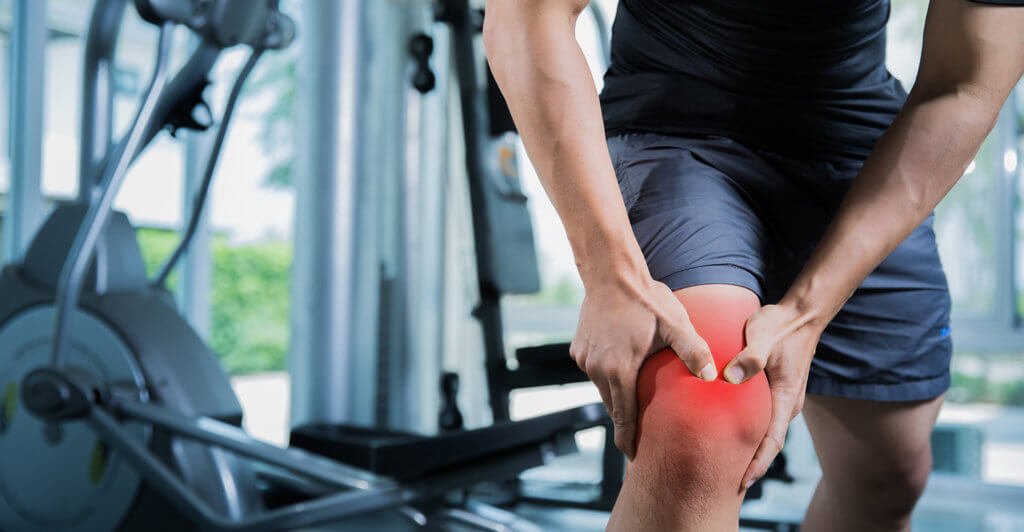
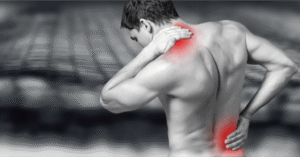
Pain Relief: Pain is often caused by inflammation, and red light therapy accelerates healing to relieve pain. For pain from chronic inflammation, it reduces inflammation and enhances bodily functions to speed up recovery. It is effective for back pain, waist pain, arthritis (including osteoarthritis, rheumatoid arthritis, degenerative arthritis, metabolic arthritis/gout), chronic tendinitis, acute and chronic neck pain, frozen shoulder/tennis elbow (lateral epicondylitis), as well as pain from inflamed and ulcerated wounds, recurrent cold sores, allergic dermatitis, chronic periodontitis, post-dental implant infections, otitis media, earache, and tinnitus. Studies have shown it can reduce morning stiffness and pain related to rheumatoid arthritis, significantly alleviate pain in knee osteoarthritis patients, treat chronic myofascial neck pain, and increase the range of motion of joints affected by arthritis. After just a few sessions, pain can be reduced by 50%.
Skin Improvement: One of the most popular uses of red light therapy, it improves skin tone, reduces signs of aging (anti-aging), boosts collagen production, alleviates psoriasis and eczema, minimizes fine lines and wrinkles, reduces cellulite and fat cell formation, decreases skin roughness, and treats chronic skin conditions. It also mitigates sun damage, fades sunspots, and evens out skin tone. A 2014 study published in Photomedicine and Laser Surgery confirmed its effectiveness and safety in promoting anti-aging skin regeneration and intradermal collagen proliferation, with participants showing increased collagen density, improved skin elasticity, reduced roughness, and fewer wrinkles. It is suitable for sensitive skin, with only transient mild redness and tightness possible after treatment. Optimal results are typically seen within 1 to 4 months.
Weight Loss: Multiple studies indicate red light therapy helps eliminate excess fat by causing fat cells to leak and release lipids, which are then converted to carbon dioxide and excreted through breathing, urination, and defecation. It also balances hormones (e.g., improving thyroid function for those with hypothyroidism) and increases muscle mass, which boosts Resting Metabolic Rate (RMR) to burn more calories at rest.
Muscle Recovery & Athletic Performance: Red light therapy increases muscle mass, performance, and endurance. Applying it before and after exercise effectively reduces muscle fatigue, improves muscle performance, increases oxygen intake, extends average sprint time, reduces fatigue, and enhances muscle strength and explosive power (maximum force during muscle contraction). Athletes use short sessions before training or competitions to prime muscles, prevent injuries, and prepare for optimal performance. It also stimulates and accelerates the recovery, healing, and regeneration of damaged muscles and connective tissues, reducing injury risk and improving competitive performance.
Immunity Enhancement: As a type of phototherapy, it strengthens the immune system by increasing Adenosine Triphosphate (ATP) levels to help cells resist infections, stimulating angiogenesis to improve blood flow for nutrient delivery and waste removal, and promoting the production of red blood cells and stem cells. Red blood cells transport oxygen and nutrients, and enhance phagocytosis to boost immunity. Additionally, it reduces both skin and deep-seated inflammation, which interferes with bodily functions and leads to chronic diseases, thus lowering the risk of illness.
Sleep Quality Improvement: Modern excessive use of electronic devices exposes people to blue light, which suppresses melatonin (the hormone that induces sleep). In contrast, red light therapy calms emotions, promotes relaxation, and increases melatonin levels. It also boosts ATP levels to enhance bodily energy, offsetting the effects of sleep deprivation such as drowsiness and poor concentration. A study on 20 athletes found that daily 30-minute red light therapy sessions for two weeks significantly improved sleep quality, increased melatonin levels, and enhanced endurance.
Hair Growth Stimulation & Hair Loss Reduction: Consistent use increases hair count and hair shaft thickness in both men and women. It enhances scalp blood flow, stimulates follicle metabolism, “awakens” dormant follicles to an active growth state, and accelerates hair growth. Red light and NIR penetrate the scalp to the base of follicles, stimulating ATP production and cellular activation to promote follicle regeneration. It also aids hair regrowth after chemotherapy.
Wound Healing: Its anti-inflammatory properties and ability to stimulate collagen production accelerate wound healing. Clinical studies confirm its effectiveness in wound recovery and reducing scar appearance. It improves blood and lymphatic circulation by promoting endothelial cell proliferation (endothelial cells form capillaries that deliver oxygen and nutrients to wounds) and lymphatic vessel proliferation (lymphatic vessels remove waste and toxins from wounds), further enhancing the body’s self-healing ability.
Scar Reduction: Widely used to fade scars and stretch marks by reducing inflammation, repairing tissues, and regenerating skin. It stimulates elastin and collagen production to tighten skin, treat wrinkles and scars, reduce acne inflammation, and regulate skin oil production. Combining red light with NIR allows deeper penetration into skin tissues, making it ideal for improving collagen synthesis and treating wounds and scars. Starting treatment immediately after injury can accelerate healing and reduce or prevent scar formation. It also activates stem cells to transform into healthy skin cells instead of scar tissue cells.
Eye Health: Increasing scientific research and clinical trials show moderate red light therapy has positive effects on eye health and vision. A 2020 study in Journals of Gerontology found it reduces age-related vision loss caused by retinal mitochondrial dysfunction (ATP levels in the retina decline by 70% over time, leading to vision loss). Short-term red light therapy significantly improved mitochondrial performance in retinal photoreceptors of participants over 40, reversing age-related vision loss. Research by The Chinese University of Hong Kong found low-intensity red light therapy stimulates the release of nitric oxide in fundus blood vessels, dilating vessels to improve blood flow, thickening the choroid, and controlling eyeball growth to slow myopia progression. Studies show it can reduce myopia progression by 73% after one year of treatment in children.
Improvement of Degenerative Brain Diseases: Emerging as an effective clinical therapy to stabilize dying or damaged brain cells (neurons), researchers are exploring its potential for treating degenerative brain diseases such as Parkinson’s disease, Alzheimer’s disease (dementia), multiple sclerosis, and seasonal affective disorder.
Enhancement of Sexual & Reproductive Health: Red light and NIR stimulate energy production in Leydig cells (cells responsible for testosterone synthesis in the testes), naturally boosting testosterone levels to enhance sexual function and fertility. All cells benefit from increased cellular energy, and hundreds of clinical studies confirm red light therapy’s powerful stimulatory effect on human cells. It also reduces infertility risks by increasing sperm motility (critical for successful conception). A 2017 study by the University of California, San Diego found red light exposure increased sperm swimming speed and strength, improving reproductive success.
Promotion of Blood Circulation: Activates cells to enhance systemic blood circulation and metabolism, delivering more oxygen and nutrients to cells and tissues. Improved blood circulation is key to wound healing and pain relief. Poor circulation increases the risk of chronic inflammation, skin problems, and discomfort such as constipation and headaches, making good blood circulation essential for health.
4. Unique Advantages
Red light therapy stands out for promoting healing without causing bodily harm. Unlike Intense Pulsed Light (IPL) or lasers, which stimulate collagen regeneration by damaging or irritating the outer skin layer, red light and NIR wavelengths penetrate deeply to heal and regenerate cells without harming the skin surface. Devices like the Healer Np Pro allow cell restoration from the inside out with no side effects, and the treatment process is painless with no burning or other adverse sensations. Different cells and tissues in the human body absorb light uniquely and require specific wavelengths, so combining red light and NIR maximizes efficacy, confirming its positive effects on the human body.
5. Clinical Applications for Specific Conditions
It is used to treat osteoarthritis, chronic tendinitis, allergic dermatitis, chronic periodontitis, degenerative arthritis, rheumatoid arthritis, post-dental implant infections, otitis media, earache, tinnitus, acute and chronic neck pain, metabolic arthritis (gout), frozen shoulder/tennis elbow (lateral epicondylitis), inflamed and ulcerated wounds, and recurrent cold sores.
Red light therapy activates cells in the body, enhances systemic blood circulation and metabolism, thereby helping to deliver more oxygen and nutrients to our cells and tissues. Promoting blood circulation is also key to effects such as wound healing and pain relief. Poor blood circulation makes the body more prone to chronic inflammation, leading to deteriorated skin condition and various physical discomforts such as constipation and headaches. Having good blood circulation is extremely important for the human body and is an “essential requirement” for physical health.
Add comment